

28 Jul Africa University offers global access to education with online campus
By Tim Tanton
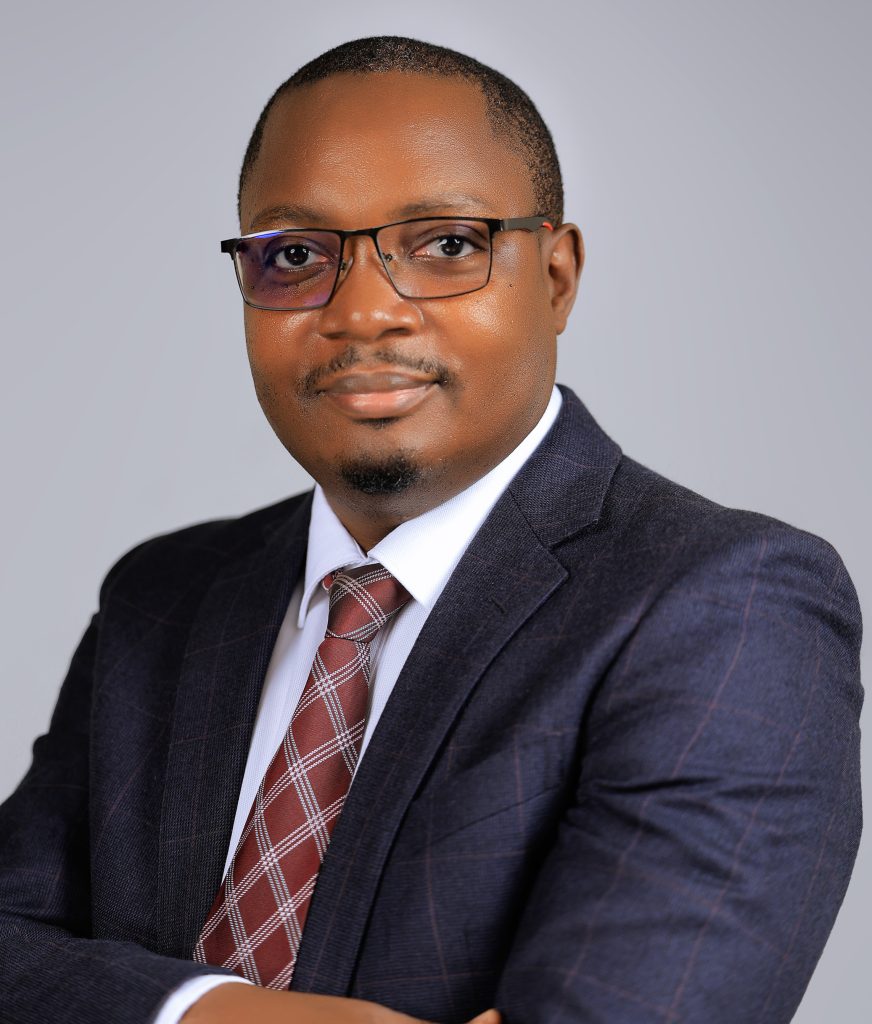
As a Judicial Officer in Uganda, Nsobya Ronald Kamya has found that Africa University’s Global Campus is enabling him to further his education while managing a demanding job – without leaving home.
“The Global Campus programs appear to have been designed to fit into my life, by offering me schedule flexibility and the opportunity to learn at my own pace,” said Kamya, a senior principal magistrate in Kampala, Uganda. “The courses are designed to enable me to learn from anywhere without having to commute to campus.
“With such an arrangement, the Global Campus eliminates geographic barriers to education and learning and has given me a chance to pursue and further my academic career while balancing it with work and family commitments,” he said.
Likewise, Africa University’s online learning platform made it possible for Rachel Abanza of Kinshasa, Democratic Republic of Congo, to attend classes while working in Cameroon.
“One of the biggest challenges was balancing my academic responsibilities with my full-time missionary work in Cameroon,” said Abanza, who served as a Global Mission Fellow for The United Methodist Church. “There were times when work demands and assignment deadlines created pressure, but the flexibility of the program allowed me to stay committed and successfully manage both. This experience strengthened my time management, discipline, and resilience.”
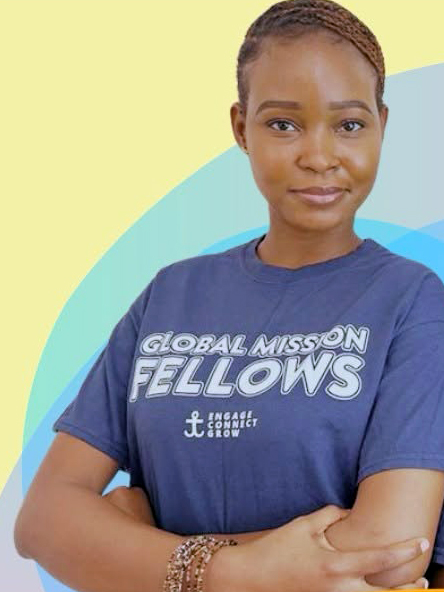
Without the flexibility of the Global Campus, pursuing a master’s degree “would have been very difficult,” she said. “It has truly been a life-changing opportunity.” She plans to graduate next year with a Master of Science in Migration, Citizenship and Refugee Protection.
Launched in 2024, the Africa University Global Campus is extending the school’s reach beyond its home campus at Old Mutare, Zimbabwe. The online campus had 268 students from more than two dozen countries enrolled in the January-June semester, representing about 10.8 percent of the school’s total enrollment.
“The Africa University Global Campus originated from the vision of the vice chancellor, Professor Peter Mageto, who recognised the need for the university to expand its reach beyond the physical campus and respond to the changing landscape of higher education,” said Yollanda Y. Washaya, director of the Global Campus. “As demand for flexible learning continued to grow across Africa, the university saw an opportunity to make its programmes more accessible to professionals, leaders and lifelong learners who could not relocate to study on campus.”
Going beyond boundaries
The online campus had its “first full year of active growth and expansion” this year, Washaya said. Its enrollment increased from 79 students in 2024, while class offerings grew from six master’s programs to 14 master’s programs, a doctoral program and an undergraduate program.
“The first year of the Africa University Global Campus was highly encouraging and strategically significant,” said Deputy Vice Chancellor Talon Garikayi. “It has demonstrated that quality Pan-African higher education can be delivered effectively beyond the physical campus boundaries.
“The Global Campus has successfully attracted students from different countries while providing flexible learning opportunities for working professionals, entrepreneurs, public servants and recent graduates who may not be able to relocate to Zimbabwe,” Garikayi said. “The experience has validated our belief that Africa’s future leaders can be educated from anywhere while remaining connected to their communities and workplaces.”
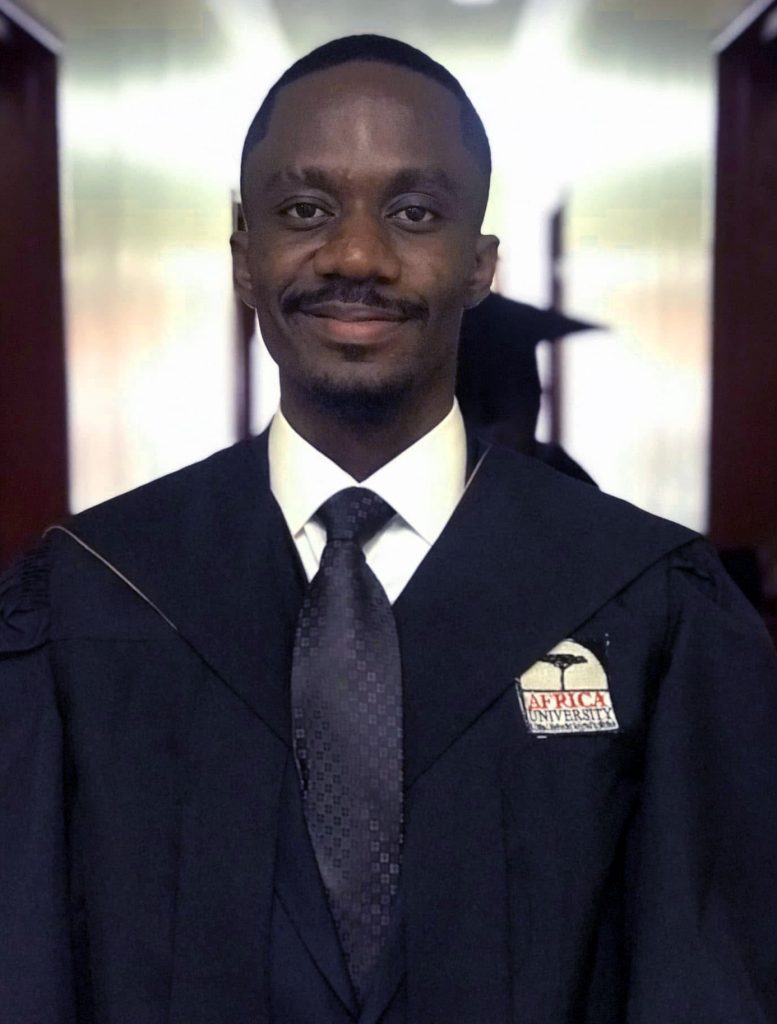
That has been the case for Heritier Binda Mahamba of the Democratic Republic of Congo, who is working on a Master of Science in Migration, Citizenship and Refugee Protection.
“I chose to pursue a Global Campus program because it offered the unique opportunity to receive an Africa University education without the need to relocate to Zimbabwe,” he said. “The flexibility of the online format allows students like myself to continue serving in our communities and workplaces while advancing academically.”
The Global Campus has been “enriching and transformative,” he said. “The program has provided me with access to high-quality, Christ-centered education delivered through a flexible and inclusive online platform. One pleasant surprise was the strong sense of community and academic engagement that exists even in a virtual environment. The interaction with faculty members and fellow students from across the continent has broadened my perspective significantly.”
The Global Campus has been helpful also for in-country students, such as Blessing Kudzionera of Harare, Zimbabwe, who is working on an Executive Master of Business Administration degree and plans to graduate magna cum laude next year.
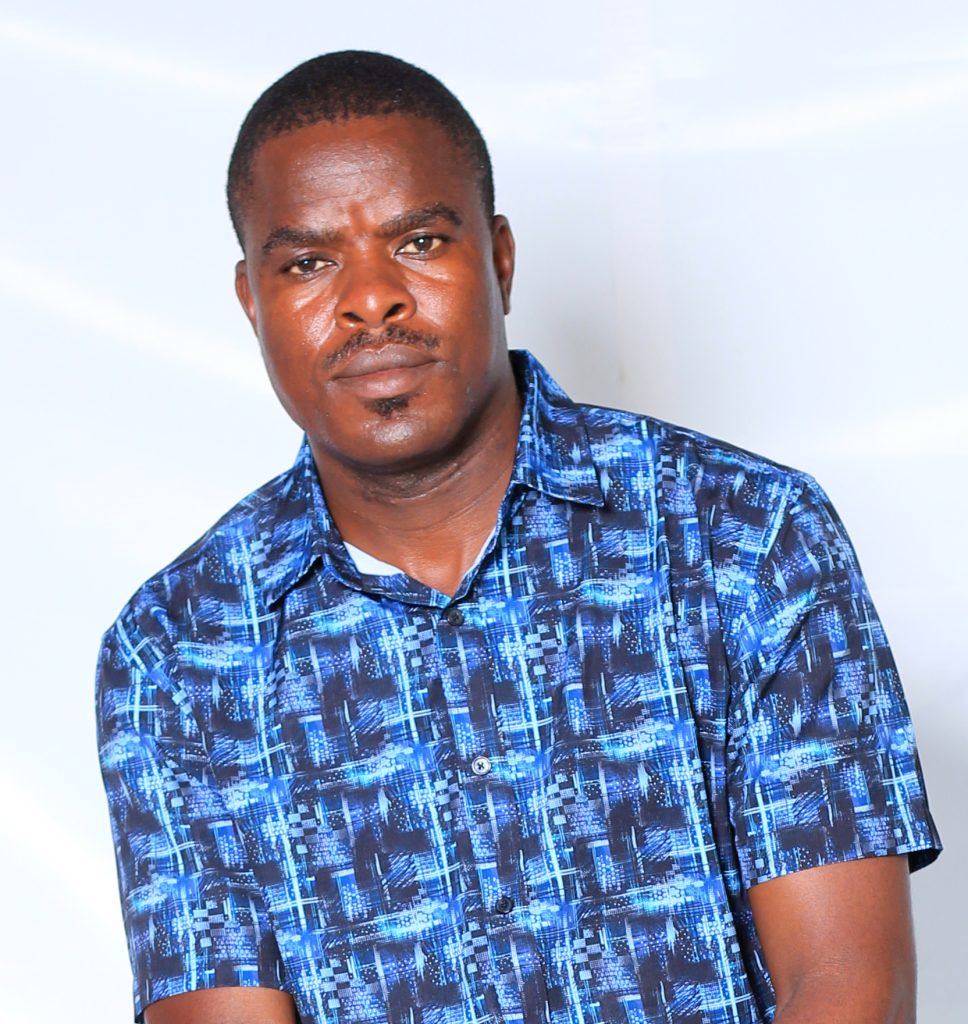
“I chose the Global Campus because I wanted to enjoy the flexibility of learning without leaving my employment or relocating to the physical campus,” Kudzionera said. “The option of joining virtual classes after working hours also aligned with global trends in which progressive universities are adopting e-learning for a wider reach.”
For Juliet Sithole, who received her Master of Science in International Relations and Diplomacy degree on June 6, the online program was crucial.
“As someone who has no parents and is responsible for my own survival, leaving work to study full-time was not an option,” said Sithole, who grew up at the Fairfield Children’s Home in Mutare, near the university. She earned her degree while working full time in the university’s Office of Advancement and Public Affairs.
“Balancing work and academic responsibilities was not always easy,” she said. Though at times exhausted, she remained disciplined. “Whatever needed to be done had to be done, and I made it happen.”
‘Nothing is impossible’
Cost savings are another benefit of the Global Campus. In Uganda, Kamya noted that he has saved money by not having to travel or move to campus to study, and the cost reduction has enabled him to pursue a postgraduate degree.
At the same time, the online campus “draws students from across the globe,” he said. “This has given me the opportunity to interact with people from different parts of the world, sharing professional experiences, cultural insights, and industry knowledge.”
Kamya is working on a Master of Science in Negotiation and Mediation, which he hopes to complete next year – and therein lies another advantage of the Global Campus: “The course I am pursuing is not offered in any local college or institution in my country, but the Global Campus offers it and gave me the opportunity to pursue it.”
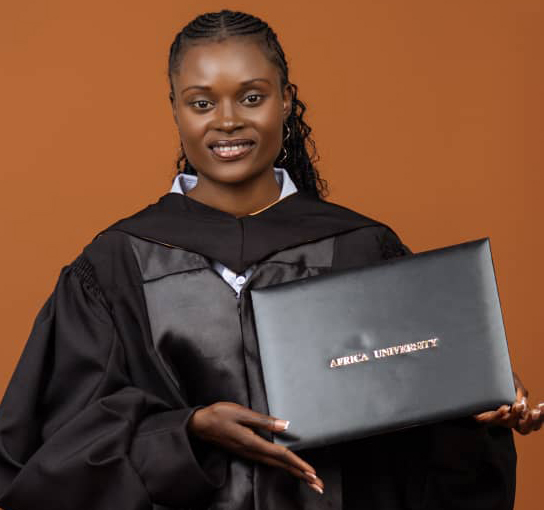
The online campus offers many of the degrees that are available through Africa University’s in-person programs. During the first year, the most popular was the Executive Master of Business Administration track, which had 78 students.
Those students included Ruth Karumbu Nsompu, who received her EMBA in June and is interested in business administration and management as well as real estate and property management. Originally from the Democratic Republic of Congo, she had moved with her family to Zimbabwe at age 4. While attending classes, she held several jobs, including working as a graduate trainee in the university’s Department of Academic Affairs.
“It was tiring, stressful sometimes, but I enjoyed the process,” she said. “It taught me … how to manage and build a business as a manager by balancing all the departments in the company, making sure there is smooth flow of instructions and proper execution. … It also taught me that nothing is impossible. We are able to stretch beyond our capacity and our comfort zone.”
Dramatic growth planned
Professor Stanley Murairwa, dean of the College of Business and Management Sciences, said the first year of the EMBA program provides a foundation on the fundamentals of business, with an emphasis on seminars and class presentations. “This allows students to share experiences and sharpen each other’s skills, knowledge and abilities, in the process building strategic thinking capabilities.”
Other in-demand programs have included the Master of Public of Health, the Master of Public Policy and Governance and the Post-Basic Bachelor of Science Honors in Nursing.
The public health courses were well adapted for online learning, while the nursing courses required a hybrid approach involving online and in-person work.
“The online format worked well for public health education, where theory, policy, epidemiology and health systems management can be taught effectively through virtual platforms,” said Dr. Susan L. Mutambu, interim dean of the College of Health, Agriculture and Natural Sciences.
“Nursing education faced challenges due to its practical nature,” she explained. “Online delivery was effective for theoretical instruction, ethics and health systems modules, but clinical skills required creative adaptations such as virtual simulations, video demonstrations, and supervised community-based practicums.”
Africa University seeks to grow the Global Campus to at least 900 learners by 2028, Washaya said.
“The coming year will focus on scaling operations, strengthening recruitment, and deepening partnerships,” she said. “We are expanding our corporate engagement strategy, increasing regional outreach activities, strengthening digital marketing, and enhancing the student learning experience through improved academic support and digital learning systems.”
Said Kudzionera: “To me, the AU Global Campus demonstrates Africa University’s commitment to innovation, inclusivity and lifelong learning. I do not hesitate to recommend the AU Global Campus to anyone who is planning to advance their education whilst enjoying the convenience of learning remotely.”
Sorry, the comment form is closed at this time.